176+ Why Do Indian Homes Face East
In Indian culture, the orientation of a home holds significant importance, with many households choosing to face east. But why is this direction so revered? From ancient architectural principles rooted in Vastu Shastra to the spiritual symbolism associated with the rising sun, there are numerous reasons behind this age-old practice. In this blog post, we will explore over 176 compelling reasons why Indian homes traditionally face east, delving into the cultural, spiritual, and practical aspects that make this orientation not just a matter of preference, but a deeply ingrained belief system. Whether you're building a new home or simply curious about this fascinating tradition, join us as we uncover the layers of meaning behind this enduring practice.
Why East Indian States Are Poor?. East India Comprises Of States — West
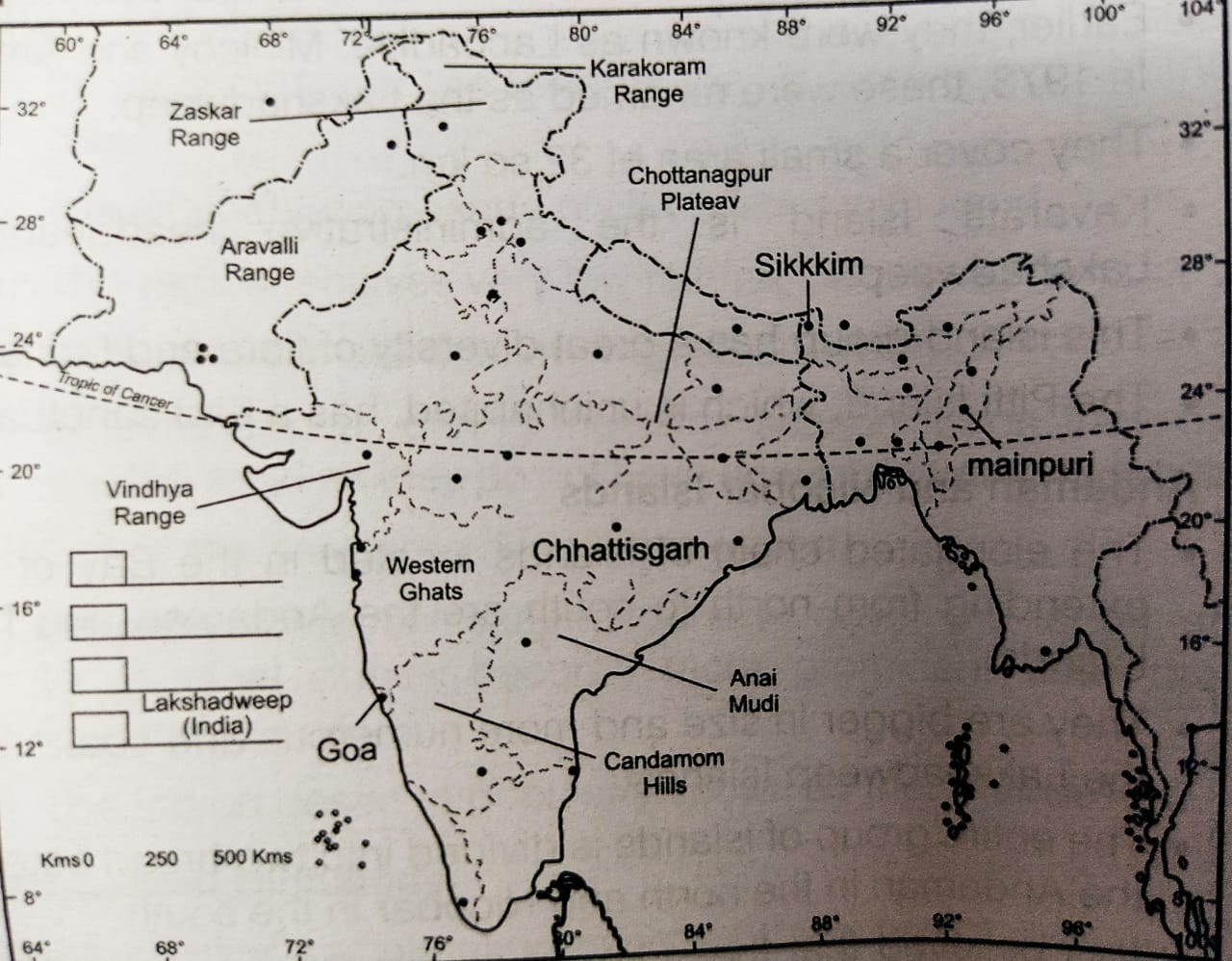
East India, comprising states like West Bengal, Odisha, Jharkhand, Bihar, and Assam, has historically faced economic challenges that contribute to its relative poverty compared to other regions. Factors such as limited industrial development, inadequate infrastructure, and a reliance on agriculture, which is often vulnerable to climate change and natural disasters, have hindered economic growth. Additionally, socio-political issues, including governance challenges and high levels of corruption, have further exacerbated the situation. While there are pockets of development and progress, the overall economic landscape remains affected by these systemic issues, making it difficult for the region to fully capitalize on its potential. Understanding these challenges is crucial for addressing the disparities and promoting sustainable development in East India.

medium.com
North East Facing House Vastu With Indain Style Unique Style Home Ideas
When it comes to Vastu Shastra, the ancient Indian science of architecture, a northeast-facing house is often considered highly auspicious. This orientation is believed to harness the positive energies of the rising sun, promoting health, prosperity, and overall well-being for its inhabitants. To enhance the benefits of a northeast-facing home, consider incorporating unique Indian design elements such as traditional jali work, which allows for natural light and ventilation while adding an aesthetic touch. You can also integrate vibrant colors and patterns inspired by regional art forms, like Warli or Madhubani, to create a warm and inviting atmosphere. Additionally, positioning a small indoor garden or a water feature in the northeast corner can further amplify the positive energy flow, making your home not just a living space, but a sanctuary of peace and harmony.

Facing East From Indian Country Chapter 3 Summary & Analysis
In Chapter 3 of "Facing East from Indian Country," the author delves into the profound significance of directionality in Native American culture, particularly the preference for homes to face east. This orientation is not merely a matter of aesthetics; it embodies spiritual beliefs and a deep connection to the natural world. The east represents new beginnings, renewal, and the rising sun, symbolizing hope and the promise of a new day. The chapter explores how this practice is rooted in the traditions and histories of various tribes, illustrating how the placement of homes reflects a harmonious relationship with the environment. Additionally, the analysis highlights the cultural importance of direction in shaping identity and community, making it clear that the choice to face east is a powerful expression of Native American values and worldview. This understanding adds depth to the question of why so many Indian homes are oriented toward the east, connecting physical space with spiritual significance.

2 Bedroom House Plans Indian Style East Facing
When it comes to Indian home designs, east-facing houses hold a special significance, particularly in the context of 2-bedroom house plans. These layouts not only maximize natural light and ventilation but also align with traditional beliefs that associate east-facing homes with prosperity and positive energy. A well-designed 2-bedroom house plan in this style often features spacious living areas, strategically placed windows, and open layouts that enhance the flow of energy throughout the home. Additionally, incorporating elements like a small garden or a pooja room can further enrich the living experience, making these homes not just functional but also spiritually uplifting. For those seeking to blend modern aesthetics with cultural values, east-facing 2-bedroom house plans offer an ideal solution.

East India House
East India House, a significant landmark in the history of Indian architecture, embodies the cultural and spiritual ethos that many Indian homes reflect. Traditionally, homes in India are designed to face east, aligning with the belief that the rising sun brings prosperity, health, and positive energy. This orientation is not merely a matter of aesthetics but is rooted in ancient Vastu Shastra principles, which emphasize harmony between nature and living spaces. The East India House, with its historical ties to trade and commerce, serves as a reminder of the region's rich heritage and the importance of positioning in relation to the sun. By exploring the architectural significance of structures like East India House, we can gain deeper insights into why so many Indian homes follow this age-old practice of facing east.

3d Elevation Indian 25 40 East Stock Illustration 1453207670
In the realm of Indian architecture and Vastu Shastra, the orientation of homes plays a pivotal role in promoting harmony and prosperity. A striking example of this is the 3D elevation stock illustration (1453207670) showcasing a home facing the auspicious east direction at coordinates 25° 40' East. This orientation is believed to harness the positive energy of the rising sun, which is associated with new beginnings and vitality. As we explore the reasons behind the traditional practice of constructing homes that face east, we uncover a rich tapestry of cultural beliefs and scientific principles that emphasize the importance of aligning living spaces with natural elements for optimal well-being and success.

(pdf) Facing East From Indian Country
In many Indian cultures, the orientation of a home plays a significant role in its spiritual and practical aspects, with a strong preference for houses facing east. This tradition stems from the belief that the east is the direction of the rising sun, symbolizing new beginnings, prosperity, and positive energy. By positioning their homes to face east, many Indian families aim to harness the sunlight's beneficial rays, which are thought to promote health and vitality. Additionally, this orientation is often associated with various Vastu Shastra principles, which emphasize harmony and balance within living spaces. As a result, the practice of building homes that face east is not just a matter of aesthetics but is deeply rooted in cultural beliefs and the desire to create a nurturing environment for families.

dokumen.tips
Beautiful East Indian Design — Stock Photo © Amasterimage #4843246
When exploring the captivating world of Indian architecture and design, one cannot overlook the significance of orientation, particularly the preference for homes that face east. This beautiful East Indian design, exemplified in stock photo © amasterimage #4843246, showcases intricate patterns and vibrant colors that reflect the cultural richness of the region. The choice of an east-facing home is deeply rooted in tradition, symbolizing the welcoming of the morning sun, which is believed to bring prosperity and positive energy. The harmonious blend of aesthetics and spiritual significance in these designs not only enhances the visual appeal of the home but also aligns with the principles of Vastu Shastra, guiding homeowners towards a balanced and fulfilling life. In this blog post, we will delve into the reasons behind this architectural trend and its impact on the lives of those who embrace it.

depositphotos.com
East Indian Facial Features
When discussing the significance of East Indian facial features in the context of cultural identity, it's essential to recognize the diversity within the region. East Indians often exhibit distinct physical characteristics influenced by a blend of ethnicities, including a variety of skin tones, hair textures, and facial structures. Common features may include high cheekbones, almond-shaped eyes, and a range of nose shapes that reflect the rich tapestry of heritage in states like West Bengal, Odisha, and Assam. These traits not only contribute to the unique beauty of East Indians but also serve as a testament to the region's history, migration patterns, and cultural exchanges. Understanding these features adds depth to the appreciation of East Indian culture, especially when exploring how such diversity is celebrated in various aspects of life, including architecture and the orientation of homes toward the east, which is often believed to invite prosperity and positivity.

telegra.ph
East Indian Facial Features
When discussing the significance of East Indian facial features in the context of cultural identity, it's essential to recognize the diversity within the region. East Indians often exhibit distinct physical characteristics influenced by a blend of ethnicities, including a variety of skin tones, hair textures, and facial structures. Common features may include high cheekbones, almond-shaped eyes, and a range of nose shapes that reflect the rich tapestry of heritage in states like West Bengal, Odisha, and Assam. These traits not only contribute to the unique beauty of East Indians but also serve as a testament to the region's history, migration patterns, and cultural exchanges. Understanding these features adds depth to the appreciation of East Indian culture, especially when exploring how such diversity is celebrated in various aspects of life, including architecture and the orientation of homes toward the east, which is often believed to invite prosperity and positivity.
telegra.ph