95+ Why Should We Face East
In a world filled with diverse cultures and practices, the simple act of facing east holds profound significance across various traditions and philosophies. From spiritual rituals to architectural designs, the direction we choose to face can influence our mindset, energy, and even our daily routines. In this blog post, we will explore over 95 compelling reasons why facing east is more than just a geographical orientation; it’s a practice steeped in history, spirituality, and wellness. Whether you’re seeking to enhance your meditation practice, improve your productivity, or simply connect with the rhythms of nature, understanding the importance of this direction can open new avenues for personal growth and harmony. Join us as we delve into the myriad benefits of turning our gaze toward the rising sun.
The Face In The East Stock Photo
In the realm of spiritual practices and mindfulness, the significance of facing east is deeply rooted in various traditions and beliefs. The stock photo titled "The Face in the East" captures this essence beautifully, illustrating the serene connection between the individual and the rising sun. This imagery not only symbolizes new beginnings and enlightenment but also serves as a reminder of the importance of aligning ourselves with the natural rhythms of the earth. By facing east, practitioners often seek to harness the positive energy associated with dawn, making it a powerful focal point for meditation, prayer, or simply starting the day with intention. In our blog post "95+ Why Should We Face East," we delve into the myriad reasons behind this practice, exploring its cultural significance and the benefits it can bring to our daily lives.

East Is East Essay Example
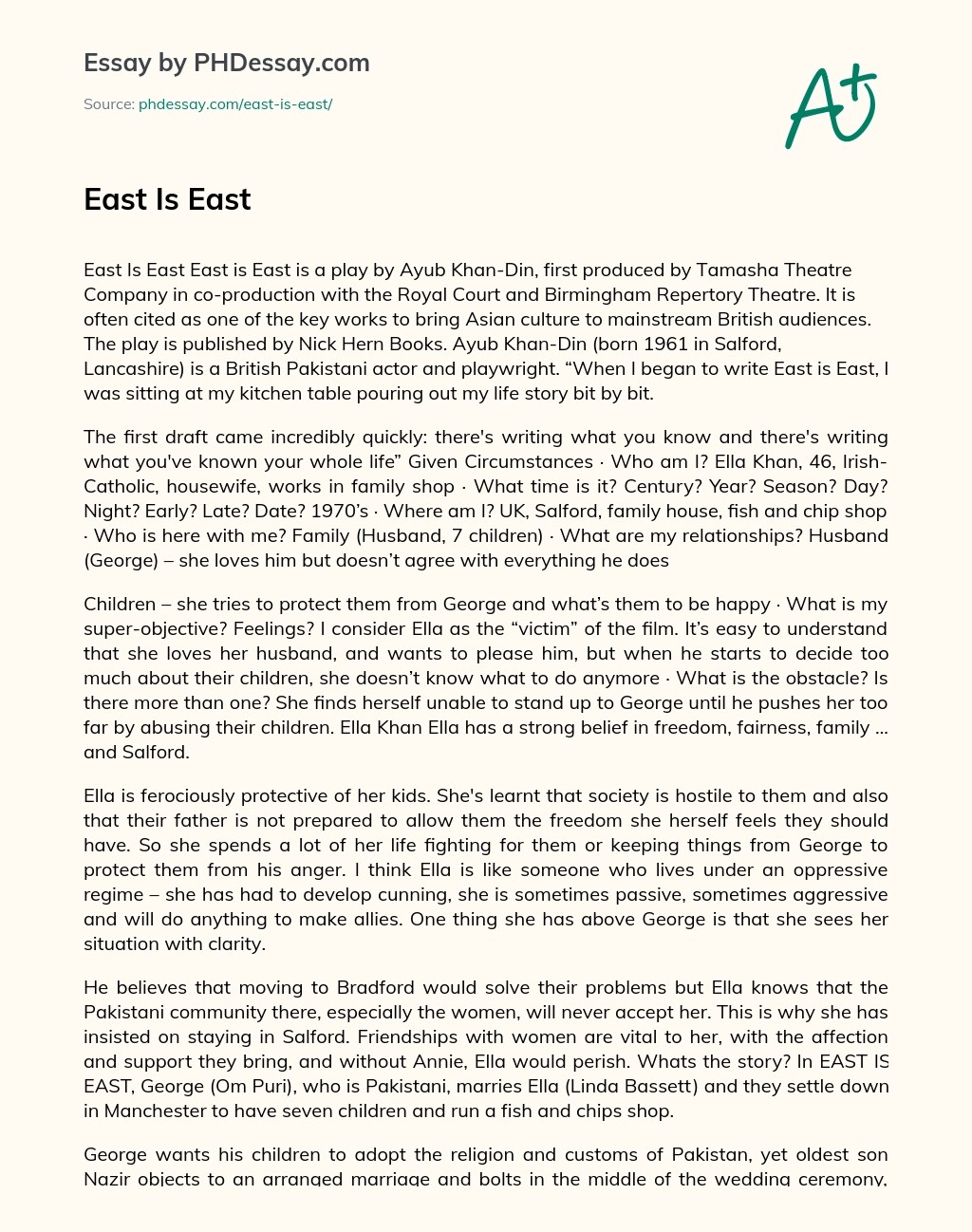
In the essay "East is East," the author delves into the complex interplay between cultural identity and personal belonging, illustrating how the geographical and metaphorical direction of 'East' symbolizes a journey of self-discovery. This piece serves as a poignant example of how individuals navigate the often tumultuous waters of cultural heritage, particularly in a world that frequently demands conformity. Through vivid storytelling and rich character development, the essay captures the essence of the struggle between tradition and modernity, urging readers to reflect on their own paths. By exploring themes of displacement and acceptance, "East is East" resonates with anyone who has grappled with their identity in a diverse and ever-changing society, making it a compelling addition to our blog post, "95+ Why Should We Face East."
phdessay.com
Turning To Face The East By Liam Byrne
In "Turning to Face the East," Liam Byrne explores the profound significance of orienting ourselves towards the east, both literally and metaphorically. The east, often associated with new beginnings and enlightenment, serves as a powerful symbol in various cultures and spiritual practices. Byrne delves into the historical and cultural contexts that underscore the importance of this direction, highlighting how facing east can inspire reflection, growth, and a deeper connection to our surroundings. As we navigate the complexities of modern life, Byrne's insights remind us that turning to face the east may not just be a physical act, but a transformative journey towards clarity and purpose. This exploration invites readers to consider how this simple gesture can enrich their daily lives and spiritual practices, encouraging a mindful approach to the world around us.

What Makes A ‘face’: Losing Face, East Vs. West
In many cultures, the concept of "face" transcends mere physical appearance; it embodies reputation, dignity, and social standing. In Eastern societies, losing face can be a significant social faux pas, often resulting in a loss of respect and harmony within the community. This contrasts sharply with Western perspectives, where individuality and personal achievement are often prioritized over communal reputation. In the context of facing east, this cultural dichotomy becomes particularly relevant. In many Eastern traditions, the direction symbolizes enlightenment, growth, and connection to spiritual practices, highlighting the importance of maintaining one's face in both personal and communal spheres. Understanding these nuances can enrich our appreciation for diverse cultural practices and the significance of directionality in our lives.

successacrosscultures.com
Why Do We Face East When We Meditate?
Facing east during meditation is a practice rooted in various spiritual and cultural traditions, believed to enhance the overall experience. The east is often associated with new beginnings, as it is the direction from which the sun rises, symbolizing light, clarity, and enlightenment. Many practitioners believe that orienting themselves towards the east helps align their energy with the natural rhythms of the earth, promoting a deeper connection to the universe and facilitating a more profound meditative state. Additionally, facing east is thought to enhance focus and intention, enabling individuals to cultivate mindfulness and inner peace more effectively. By incorporating this simple yet meaningful practice, meditators can create a sacred space that supports their journey toward self-discovery and spiritual growth.

100daystobliss.wordpress.com
Turning To Face The East • Georgina Capel Associates Ltd
Turning to face the east has profound significance in various cultures, symbolizing renewal, hope, and new beginnings. At Georgina Capel Associates Ltd, we recognize the importance of this direction not only in a spiritual sense but also in the realms of design and architecture. By orienting spaces towards the east, we harness the energizing power of the morning sun, creating environments that inspire creativity and positivity. In our commitment to sustainable and thoughtful design, we encourage our clients to embrace this orientation, enhancing both the aesthetic appeal and the emotional resonance of their spaces. Join us as we explore the myriad benefits of facing east and how it can transform your living and working environments.

georginacapel.com
Why Face East For Prayer And Worship?
Facing east during prayer and worship holds deep spiritual significance across various cultures and religions. This practice is rooted in the belief that the east is the direction of light, symbolizing enlightenment, renewal, and the presence of the divine. In many traditions, including Christianity, Islam, and Hinduism, the east is associated with the rising sun, representing hope and the promise of a new day. By orienting oneself toward this sacred direction, worshippers express their reverence and connection to the divine, creating a focused atmosphere conducive to prayer and reflection. This age-old practice not only fosters a sense of unity among believers but also serves as a reminder of the spiritual journey toward enlightenment and understanding.

oneinchrist.in
Facing East
Facing east holds significant cultural, spiritual, and practical importance across various traditions and practices. Many believe that starting the day by facing this direction invites positive energy and prosperity, as it aligns with the rising sun—a symbol of new beginnings and hope. In spiritual practices, such as yoga and meditation, facing east is thought to enhance focus and clarity, allowing individuals to connect more deeply with their intentions. Additionally, in many architectural designs, homes and sacred spaces are oriented towards the east to harness the natural light and warmth of the morning sun. As we explore the reasons behind this age-old practice, it becomes clear that facing east can enrich our daily lives in numerous ways, fostering a sense of balance and harmony.

Facing East
Facing east holds significant cultural, spiritual, and practical importance across various traditions and practices. Many believe that starting the day by facing this direction invites positive energy and prosperity, as it aligns with the rising sun—a symbol of new beginnings and hope. In spiritual practices, such as yoga and meditation, facing east is thought to enhance focus and clarity, allowing individuals to connect more deeply with their intentions. Additionally, in many architectural designs, homes and sacred spaces are oriented towards the east to harness the natural light and warmth of the morning sun. As we explore the reasons behind this age-old practice, it becomes clear that facing east can enrich our daily lives in numerous ways, fostering a sense of balance and harmony.

victoriasalvano.com
East Is East
In the exploration of why we should face east, the phrase "East is East" serves as a powerful reminder of the cultural and spiritual significance associated with this direction. Traditionally, east is seen as a symbol of new beginnings and enlightenment, marking the place where the sun rises each day. This orientation has profound implications in various cultures, from the rituals of prayer in many religions to the architectural designs of homes and places of worship. By facing east, individuals can align themselves with the energy of renewal and hope, fostering a mindset that embraces growth and positivity. As we delve into the reasons behind this practice, we uncover a rich tapestry of beliefs and traditions that highlight the importance of facing east in our daily lives.
